Estimate repayments with our Plant & Equipment Lease Calculator. Factor in residual (balloon) payments, compare finance options, and choose flexible terms to suit your business.
'Calculator results are estimates only and not quotes. Actual quotes will be provided by licensed brokers after you submit an enquiry.'
Business Asset Lease Details:
Important!
Business Asset Lease Interest Rates differ from lender to lender and will depend on your individual circumstances (credit history, employment status, age, etc.). To find out if you qualify ... and for a free, personalised interest rate and repayment quote, please CLICK HERE
Business Asset Lease Amortisation Calculator
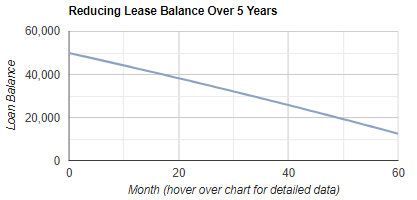
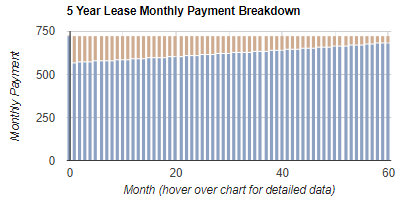
The following amortisation graphs detail month-by-month data on the progress of the proposed loan. The first chart below examines the reducing loan balance over the course of the finance contract term. The second graph illustrates the portion of each monthly repayment allocated to payment of interest vs principal reduction.
How to use our Plant & Equipment Lease Calculator
Our Plant & Equipment Lease Calculator helps business owners estimate lease repayments before you speak with a lender. It’s important because changing the residual (balloon), term and interest rate can materially affect cash flow, total interest paid and the end-of-term payout amount. The calculator provides estimates only and is general information, not personal advice; consider your objectives, financial situation and needs, and check the lease contract, fees and tax treatment with your accountant or adviser.
How to complete the calculator (best-practice order):
1. Purchase Price: Enter the total amount you want to finance, using whole numbers only (no dots or commas). Include relevant on-road and acquisition costs you intend to finance, such as applicable tax, stamp duty, registration, insurance or other costs.
2. Balloon or Residual Value: Choose the residual as a percentage of the purchase price. A higher residual usually lowers the ongoing repayments, but increases the amount due at the end and can increase the overall cost across the term. Select a residual that matches your expected end-of-term plan (refinance, trade-in, or pay out).
3. Term of Loan: Select the number of years. Longer terms typically reduce repayments but can increase total interest paid. Use a term that aligns with the asset’s useful life and how long you expect to keep it.
4. Interest Rate: Select a rate to simulate. The displayed range is indicative only; your actual rate depends on the lender and your circumstances and can only be confirmed after you apply.
5. Calculate: Run the estimate, then re-run scenarios to compare different residuals, terms and rates for a clearer view of affordability versus total cost.
How to interpret the results:
1. Repayment estimate: Treat this as a guide for budgeting, not a quote.
2. Residual due: Note the end-of-term balloon amount you’ll need to pay or refinance.
3. Amortisation graphs: Review how the balance reduces over time and how each repayment splits between interest and principal, which helps you understand cost versus payoff progress.
Fresh regulatory attention on insurance pricing practices is a timely reminder for Australian tradies to look past the headline premium and check whether the policy they are paying for still matches what was promised. ASIC has again put insurers on notice over the need for fair, accurate and well-controlled pricing systems, particularly where customers are told they will receive discounts, loyalty benefits or other premium adjustments. - read more
A fresh push to reform how NSW funds emergency services has put insurance affordability back in the spotlight, especially for small businesses that already feel every increase at renewal time. The issue centres on the Emergency Services Levy, which is applied through many insurance policies and has long been criticised by parts of the insurance sector as a disincentive to maintaining adequate cover. - read more
A fresh review of Australia’s cyclone reinsurance pool has put insurance access and affordability back in the spotlight for communities and small businesses across northern Australia. The pool was designed to reduce pressure on premiums for cyclone and cyclone-related flood damage by giving insurers access to government-backed reinsurance. - read more
APRA’s latest general insurance statistics point to a sector that is in a stronger financial position than it was during the worst of recent inflation, repair-cost and catastrophe pressures. For Australian tradies, that sounds positive at first glance: a well-capitalised insurance market is better placed to pay claims, support recovery after major loss events and keep products available across higher-risk occupations and regions. - read more
Tradies in Australia may need insurance because of legal obligations, licensing rules, contract terms or practical business risk. This guide explains the main situations where cover may be required and what to check before starting work. - read more
Income protection insurance is designed to offer financial security when you're unable to work due to illness or injury. It provides a steady income, usually up to 75% of your pre-tax earnings, helping you maintain your lifestyle while you focus on recovery. - read more
For tradies across Australia, tools and equipment are vital to their daily operations. Imagine waking up to find that your essential tools have been damaged or stolen. The financial impact can be significant, affecting not only your ability to work but also your potential earnings. - read more
Trades insurance costs can vary widely because premiums depend on the type of work you do, the cover you choose, your business size, claims history, tools, vehicles and other risk factors. This guide explains what can influence tradie insurance premiums in Australia and what to check when comparing quotes. - read more
Knowledgebase
Beneficiary: The person or entity designated to receive the death benefit from a life insurance policy.